
Multi-modal Visual Perception
Covers face recognition, pedestrian detection, vehicles, non-motor vehicles, PPE, posture & behavior, fire/smoke, and industry-specific algorithms.
Multi-algorithm edge intelligence that delivers stable, efficient on-site perception and closed-loop decision making.

Product Positioning
GSmart Edge is an all-in-one intelligent edge terminal built by GSmart AI. Powered by a proprietary algorithm suite and a unified technology platform, it supports the fusion and free scheduling of multiple visual AI algorithms. The device delivers on-device compute to perform local perception and autonomous reasoning in weak-network environments, while collaborating with the cloud platform to form a complete closed loop.
The device supports multi-channel camera input, completing video decoding and AI analysis locally, and connecting via API, RS485, I/O, or platform integration to achieve a full on-site loop from detection to alert, response, and review.

Core Capabilities
Designed for industrial sites, the Edge terminal emphasizes stable connectivity, real-time judgment, on-site integration, and continuous evolution — not just showcasing a single algorithm.
Covers face recognition, pedestrian detection, vehicles, non-motor vehicles, PPE, posture & behavior, fire/smoke, and industry-specific algorithms.
Supports combined operation and free scheduling of multiple algorithms, configuring recognition strategies per site scenario.
Completes local analysis, risk assessment, and alert output in weak-network or fully offline environments.
Connects with the platform for remote upgrades, model updates, data synchronization, and event review.
Applications
Typical deployment scenarios shown in a four-column layout, helping customers quickly understand the device's applicable scope without overloading the product page with project details.

Portal crane assisted driving, human-machine cross hazard, grab anti-collision, work-zone intrusion, and abnormal behavior detection.

Belt conveyor anomalies, personnel violations, vehicle traffic, environmental fire/smoke, and equipment status monitoring.

Crane anti-collision, personnel proximity alerts, area intrusion, PPE recognition, and behavioral compliance supervision.

Access control, vehicle management, area security, open kitchen visibility, and general visual recognition deployment.
Algorithm Support
The device integrates multiple AI visual algorithms capable of performing local image recognition and processing at the edge, providing stable capabilities for pre-warning and assisted decision-making.
Supports 1:1 / 1:N matching, face library search, and stranger detection.
Supports intrusion, line-crossing, absence, loitering, crowd gathering, and people-count statistics.
Supports motor vehicle passage, illegal parking, departure, and zone management.
Supports parking and departure recognition for bicycles, e-bikes, and other non-motor vehicles.
Supports fighting, falling, running, smoking, phone use, sleeping on duty, and other abnormal behaviors.
Supports recognition of hard hats, work uniforms, reflective vests, masks, and chef hats.
Supports fire, smoke, and abnormal fire/smoke detection for e-bikes and vehicles.
Supports custom scenario algorithms for open kitchen visibility, rodent detection, uncovered trash bins, and more.
Specifications
Core parameters customers need to evaluate device suitability are listed here. Full specifications can be provided during business discussions or in the product datasheet.
Related Cases
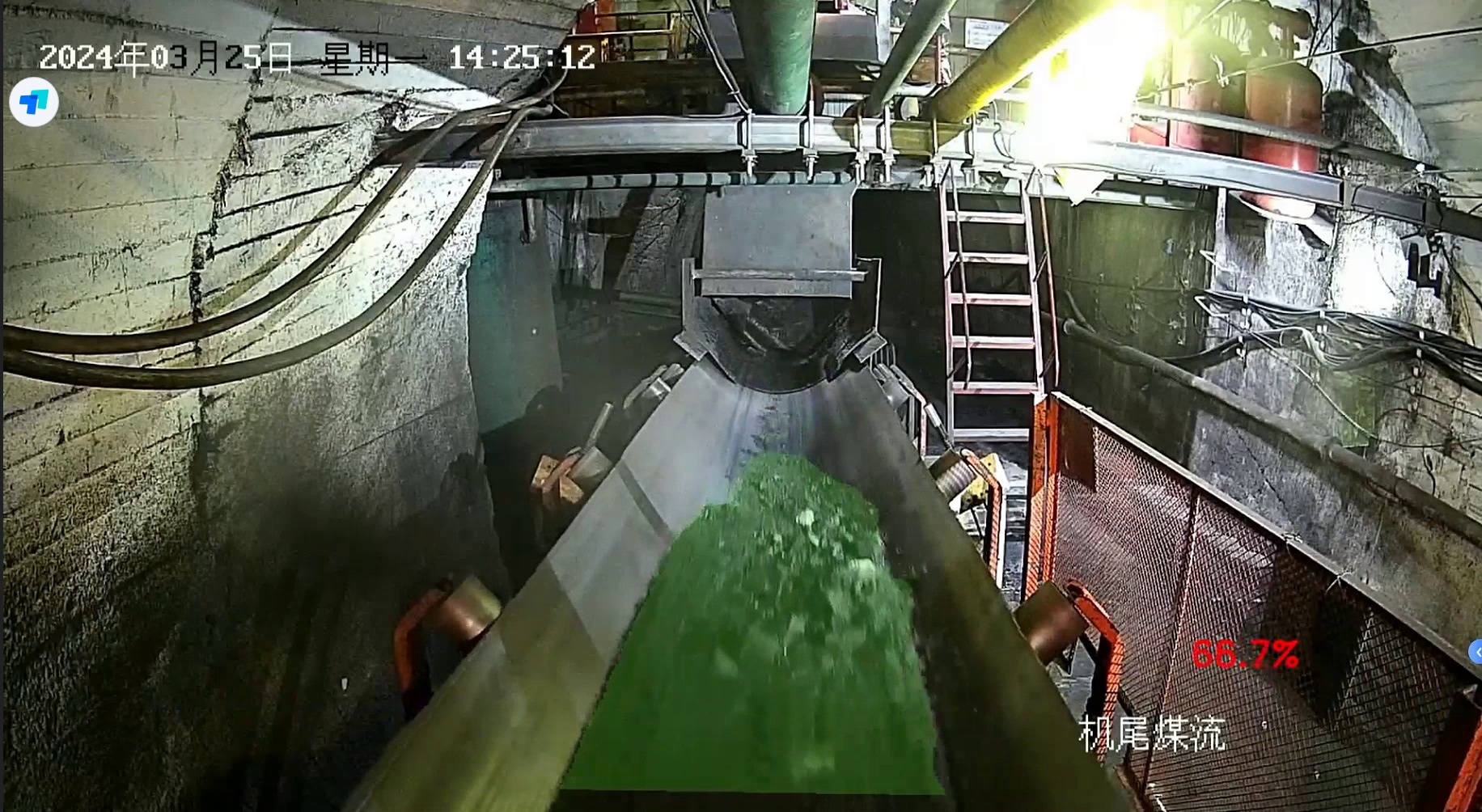 Mining
Large Mining Group
Validated edge deployment and alert integration for conveyor transport, personnel violations, and equipment status recognition.
GSmart Perception Platform + GSmart Edge
View Case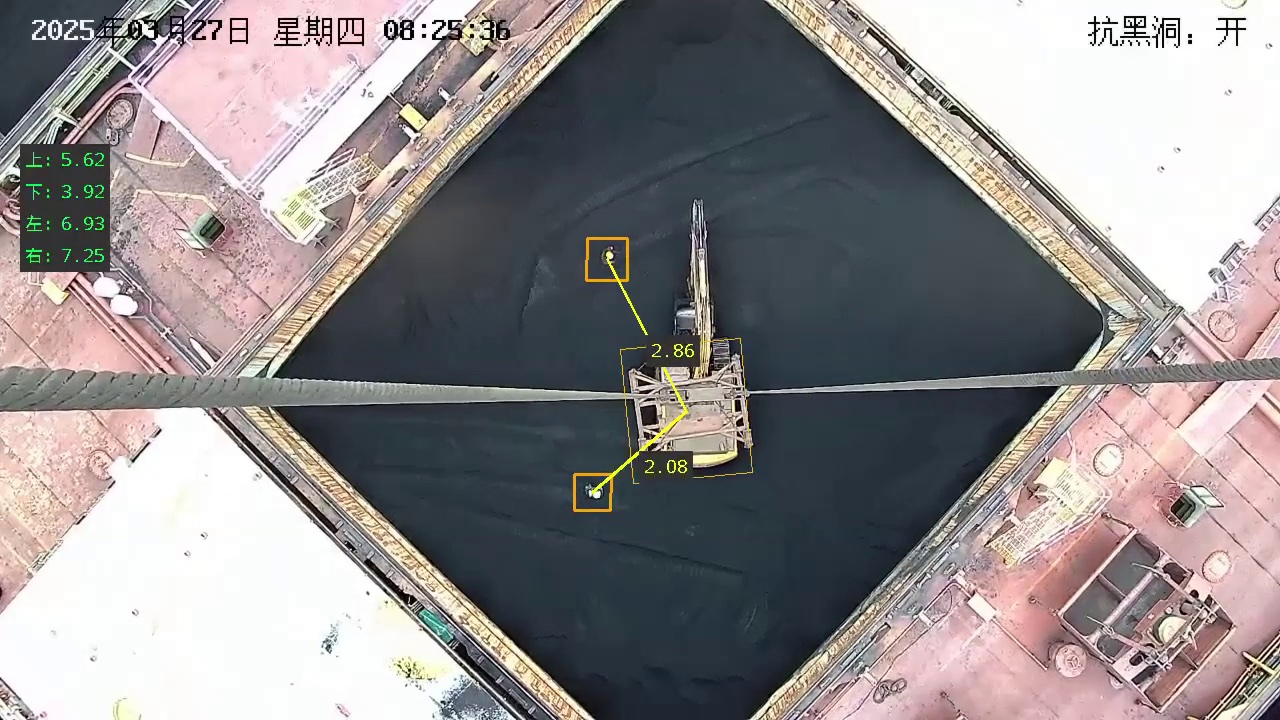 Port
PortPort Operation Enterprise
Connected crane cameras, port monitoring, and field alert systems to detect personnel proximity, vehicle intrusion, and operation anomalies.
GSmart Perception Platform + GSmart Edge
View CaseWe can tailor edge node configuration, deployment approach, and platform integration based on your camera count, site network conditions, I/O interfaces, and target algorithms.